
Nepal’s High Mountain Adventures: Island Peak, Lobuche Peak, Mera Peak, and Everest Cho La Pass Trek
Nepal is one of the most amazing countries for mountain adventure in the whole world. Many trekkers and climbers come every year to see the giant Himalayas, old Sherpa villages, glaciers, frozen lakes, and very high snow peaks. Some people come only for trekking, but many adventure lovers want more challenge and more excitement in the mountains. Because of this reason, peaks like Island Peak, Lobuche Peak, and Mera Peak become very famous. Also, the Everest Cho La Pass Trek is now one of the most beautiful trekking routes in the Everest region.
These adventures give different experiences. Some are good for beginner climbers, and some need strong physical fitness and mountain experience. But all journeys give unforgettable memories, amazing mountain views, and strong feelings of achievement.
Why Nepal Became the Best Place for Peak Climbing
Nepal has many trekking peaks and mountain routes that are suitable for different levels of climbers. The country not only has Mount Everest but also hundreds of beautiful peaks around the Khumbu region and other Himalayan areas.
The reason many climbers choose Nepal is because of the following:
- Beautiful Himalayan scenery
- Friendly local Sherpa culture
- Different trekking and climbing routes
- Adventure with an affordable budget
- Combination of trekking and mountaineering
- Strong tourism infrastructure in the Everest region
A mountain journey in Nepal is not only a physical challenge. It is also an emotional and cultural experience. Walking through villages, crossing suspension bridges, visiting monasteries, and sleeping in teahouses make the whole adventure more special.
Island Peak Climbing – Perfect Start for Himalayan Mountaineering
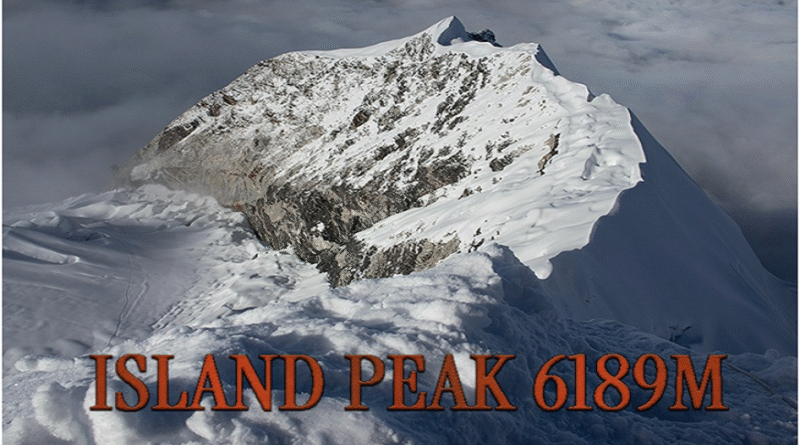
Island Peak is one of the most famous trekking peaks in Nepal. The peak is also called Imja Tse, and its height is around 6,189 meters. Many climbers choose this mountain as their first Himalayan climbing experience because the technical difficulty is moderate and the climbing route is exciting.
An Island Peak climbing journey usually starts from Lukla after a short mountain flight from Kathmandu. Trekkers pass through famous villages like Namche Bazaar, Tengboche, Dingboche, and Chhukung before reaching Island Peak Base Camp.
What Makes Island Peak Special
Island Peak looks like a small island inside a sea of ice when viewed from the Dingboche area. That is why mountains get this beautiful name. Climbers enjoy:
Read More: Sherpas and the Everest Expedition: A Glimpse Into Their World
- Stunning view of Lhotse and Ama Dablam
- Glacier walking experience
- Rope climbing practice
- Ice-climbing section near summit
- Exciting summit ridge
The summit day is long and difficult. Climbers usually wake up around midnight or 1 AM. Using headlamps, they slowly move through rocky trails and glacier sections. Near the summit there is a steep ice wall where a fixed rope is used.
After reaching the top, climbers can see an amazing panorama of Himalayan giants. This moment becomes emotional for many people because all the hard training and trekking become successful.
Best Time for Island Peak
The spring season from March to May and the autumn season from September to November are the most suitable times. During these months the weather stays more stable, and mountain views become very clear.
Winter climbing is possible, but the temperature becomes extremely cold. Monsoon season brings heavy rain and poor visibility.
Lobuche Peak Climbing – Adventure with Technical Challenge
Lobuche East is another very famous climbing peak in the Everest region. The height of Lobuche East is around 6,119 meters. Compared with Island Peak, this mountain is a little more technical and physically demanding.
Lobuche Peak climbing usually attracts climbers who already have some mountain experience or who want a more challenging climb after trekking in the Everest area.
Route and Experience
The trail follows the classic Everest Base Camp route until Lobuche village. During the journey, climbers pass through the following:
- Lukla
- Namche Bazaar
- Tengboche
- Dingboche
- Lobuche
Many itineraries also include Everest Base Camp and Kala Patthar before climbing Lobuche Peak. This makes adventure even more exciting because trekkers can enjoy both trekking and climbing together.
The climb involves rock scrambling, steep snow slopes, and fixed rope sections. The summit ridge is narrow and dramatic. Climbers need careful movement and strong focus.
Why Climbers Love Lobuche Peak
Lobuche Peak gives a more real mountaineering feeling. Climbers enjoy:
- Technical climbing sections
- Incredible Everest panorama
- Less crowded route compared to Island Peak
- Beautiful glacier landscapes
- Strong achievement after summit
From the summit, climbers can see Everest, Nuptse, Pumori, Ama Dablam, and many other snowy mountains. Sunrise views from the upper slopes become unforgettable memories.
Difficulty Level
This peak needs a good fitness level and basic climbing skills. Training before an expedition becomes very important. Many climbers practice with crampons, ropes, and ice axes before arriving in Nepal.
Acclimatization is also very important because altitude sickness can become a serious problem in high mountains.
Mera Peak Climbing – Highest Trekking Peak of Nepal
Mera Peak is the highest trekking peak in Nepal with a height of around 6,476 meters. Even though it is the highest trekking peak, technically it is less difficult than Lobuche Peak or Island Peak.
The biggest challenges in Mera Peak climbing are altitude and long trekking days.
Beautiful Remote Experience
The Mera Peak route passes through remote and peaceful valleys of the Hinku region. Compared with the Everest Base Camp trail, this area receives fewer tourists. Because of this, trekkers can enjoy quiet nature and authentic mountain life.
The trekking route includes forests, rivers, yak pastures, and glacier valleys. Climbers spend many days walking through untouched Himalayan landscapes.
Main Highlights of Mera Peak Climbing
This adventure became famous because of these reasons:
- Highest trekking peak in Nepal
- Spectacular summit panorama
- Remote trekking experience
- Less crowded trails
- Beautiful sunrise over the Himalayas
From the summit climbers can see five mountains above 8,000 meters:
- Everest
- Lhotse
- Makalu
- Cho Oyu
- Kanchenjunga
This panoramic view is considered one of the best mountain views in Nepal.
Climbing Experience
The climb itself is mostly glacier walking. Climbers use crampons, ropes, and ice axes. The final summit push can feel very difficult because of extreme altitude and freezing wind.
Physical preparation becomes very necessary before attempting Mera Peak. Long walking endurance and strong mental power help climbers succeed.
Everest Cho La Pass Trek – Best Combination of Adventure and Beauty
Cho La Pass is one of the most famous high passes in the Everest region. The Everest Cho La Pass Trek connects the Everest Base Camp route with the beautiful Gokyo Valley.
This trek is perfect for trekkers who want more adventure than the regular Everest Base Camp trek.
Journey Through Everest Region
The route usually begins from Lukla and continues toward Namche Bazaar. Trekkers then move toward Everest Base Camp and Kala Patthar before crossing the dangerous and icy Cho La Pass.
After crossing the pass, trekkers enter the magical Gokyo Valley with blue glacial lakes and a peaceful atmosphere.
Main Attractions of Everest Cho La Pass Trek
This trek becomes popular because it combines many beautiful places together:
- Everest Base Camp
- Kala Patthar
- Cho La Pass crossing
- Gokyo Lakes
- Ngozumpa Glacier
- Sherpa villages and monasteries
The crossing of Cho La Pass became the biggest adventure part. Trekkers walk on rocky trails, snow slopes, and glacier sections. Sometimes the weather becomes difficult and the route becomes slippery.
But after reaching the top of the pass, mountain views become absolutely stunning.
Difficulty and Preparation
The Everest Cho La Pass Trek is more difficult than the standard Everest Base Camp trek. Trekkers need:
- Good physical fitness
- Proper acclimatization
- Warm clothing
- Strong hiking boots
- Mental endurance
The altitude and cold weather make the trek challenging. But experienced guides and slow acclimatization help trekkers complete their journey safely.
Comparing Island Peak, Lobuche Peak, Mera Peak, and the Cho La Pass Trek
Every adventure in the Everest region gives a different experience.
Island Peak
- Good for beginner climbers
- Moderate technical difficulty
- Popular and busy route
- Combination of trekking and climbing
Lobuche Peak
- More technical climbing
- A steeper and challenging summit
- Better for experienced trekkers
- Strong mountaineering experience
Mera Peak
- Highest trekking peak
- Less technical climbing
- The biggest challenge is altitude.
- Remote and peaceful trekking route
Everest Cho La Pass Trek
- Trekking adventure only
- No technical climbing needed
- Beautiful combination of Everest Base Camp and Gokyo
- Excellent for trekkers wanting high-pass adventure
Importance of Acclimatization in the Himalayas
One of the biggest dangers in high mountains is altitude sickness. Many trekkers become sick because they climb too fast without proper rest.
Symptoms can include:
- Headache
- Vomiting
- Dizziness
- Breathing problem
- Weakness
That is why acclimatization days are included in most itineraries. Places like Namche Bazaar and Dingboche are important for body adjustment.
Drinking enough water, eating properly, and walking slowly help climbers stay healthy.
Best Seasons for Himalayan Adventures
Spring and autumn remain the best seasons for trekking and climbing in Nepal.
Spring Season
March to May offer:
- Stable weather
- Blooming rhododendron forests
- Clear mountain views
- Warmer temperature
Autumn Season
September to November offer:
- Crystal clear sky
- Dry trails
- Excellent visibility
- Comfortable trekking conditions
The winter season becomes very cold, while the monsoon season brings heavy rain and clouds.
Sherpa Culture and Mountain Hospitality
One beautiful part of the Everest region adventure is meeting Sherpa people. Sherpa communities are famous for mountaineering skills, kindness, and hospitality.
Trekkers visit Buddhist monasteries, prayer wheels, and colorful mani walls during the journey. Villages like Namche Bazaar and Tengboche show rich Himalayan culture and spiritual tradition.
Many climbers say cultural experiences become equally memorable as mountain views.
Training Before Peak Climbing
Preparing your body before a Himalayan expedition is extremely important. Climbers should focus on:
- Cardio exercise
- Long hiking practice
- Leg strength training
- Backpack walking
- Mental preparation
Good preparation increases success chances and reduces risk during expeditions.
Packing for a High-Altitude Adventure
Correct equipment makes a big difference in mountains. Essential gear includes the following:
- Warm down jacket
- Sleeping bag
- Waterproof gloves
- Hiking boots
- Sunglasses
- Trekking poles
- Headlamp
- Thermal clothes
For climbing peaks, technical equipment like harnesses, crampons, and helmets are also needed.
Conclusion
Nepal continues to become a dream destination for trekkers and climbers around the world. Adventures like Island Peak Climbing, Lobuche Peak Climbing, Mera Peak Climbing, and the Everest Cho La Pass Trek give unforgettable journeys through the heart of the Himalayas.
Every route offers different challenges and different beauty. Some people choose technical climbing while others prefer high mountain trekking. But all adventures bring the same reward—incredible mountain scenery, strong personal achievement, and memories that stay forever.
The Himalayas not only test physical strength but also change mindset and spirit. Walking among giant snowy peaks, crossing glaciers, and reaching high summits create feelings that cannot easily be explained. That is why many trekkers return to Nepal again and again for new mountain adventures.
Contact Details
Everest Trekking Routes Pvt. Ltd.
16 Khumbu, Nayabazaar, Kathmandu, Nepal
Mobile: +977-9843467921 (Rabin)
Email: [email protected]
URL:– www.everesttrekkingroutes.com